




GOVERNORS AND THE MAD RUSH TO IMPOSE SUCCESSORS
The growing practice of outgoing governors seeking to determine who succeeds them is becoming an unhealthy feature in Nigeria’s democracy. What should ordinarily be an open contest of ideas, competence and public acceptance is increasingly becoming a contest of political influence, in which the incumbent governor’s preference can carry enormous weight.
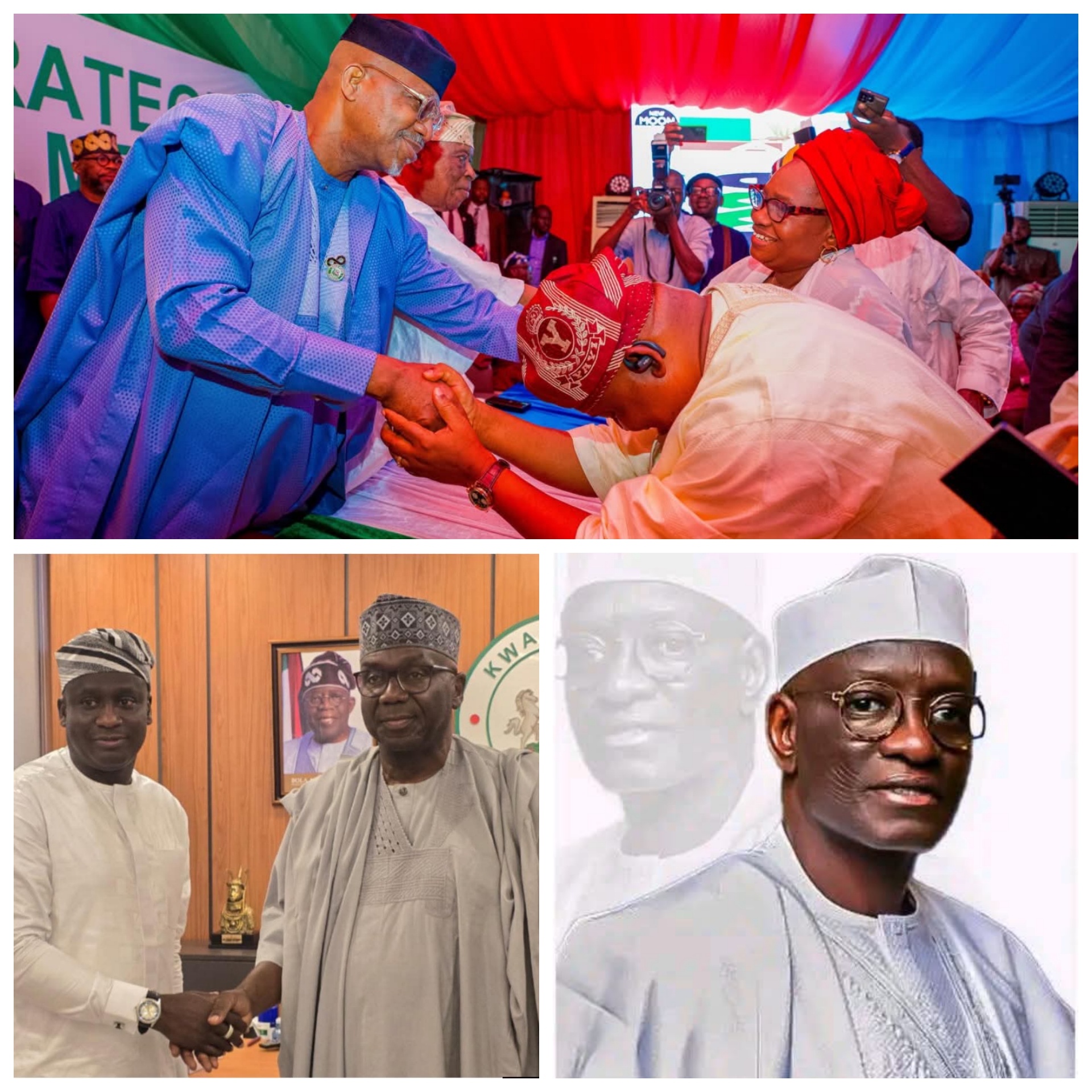
The unfolding political succession in Kwara State ahead of the 2027 governorship election offers another reason to examine this trend. The emergence of the Speaker of the Kwara State House of Assembly, Yakubu Danladi-Salihu, as the All Progressives Congress candidate has revived the debate over the relationship between an outgoing governor and his preferred successor.
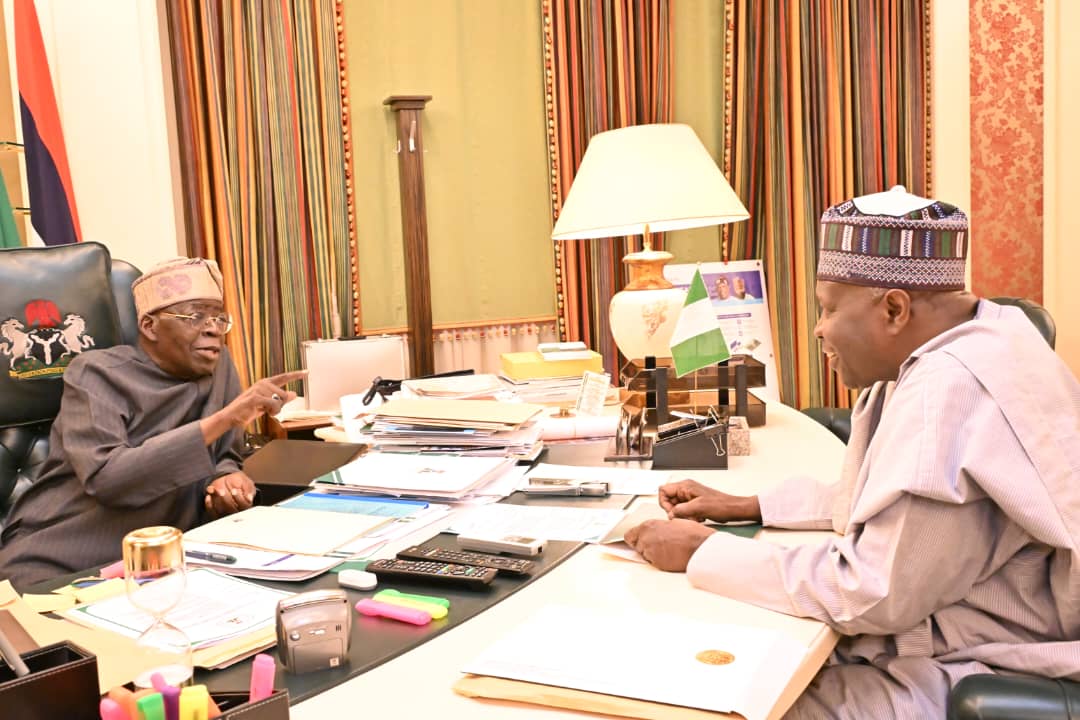
Danladi-Salihu emerged from the party’s governorship primary in May after defeating other aspirants following months of political manoeuvring over zoning, succession and the direction of the ruling party. Governor AbdulRahman AbdulRazaq has since openly backed him, although the governor had earlier denied reports that he submitted the Speaker’s name to President Bola Tinubu as his preferred successor.
In Ogun State, Governor Dapo Abiodun in April this year announced Senator Olamilekan Adeola fondly called YAYI as his preferred successor. YAYI, the Senator representing Ogun West and Chairman Senate Committee on Appropriation later emerged as the All Progressives Congress (APC) governorship candidate for Ogun 2027 governorship election.
Similarly, Nasarawa State Governor, Abdullahi Sule picked Senator Aliyu Wadada as his preferred successor amidst resistance from other APC governorship Aspirants and Party Leaders including former Governor Almakura.
Although, there is nothing inherently undemocratic about a governor supporting a candidate. The danger begins when the incumbent’s influence becomes so overwhelming that other aspirants, party members and ultimately the electorate have little meaningful room to exercise independent judgment.
Why should an outgoing governor be so interested in determining who occupies the Government House after him? Political power rarely ends at the expiration of a four- or eight-year tenure, as governors build political networks, nurture loyalists and acquire influence over party structures.
Some seek to preserve their relevance after leaving office; others want their policies and legacies protected. There are also those who may fear that a successor from a rival political faction could dismantle the political structure they spent years building.
But a state is not a political inheritance. A governor is elected to administer public resources and institutions for a constitutionally limited period, not to determine the political future of the state after his tenure.
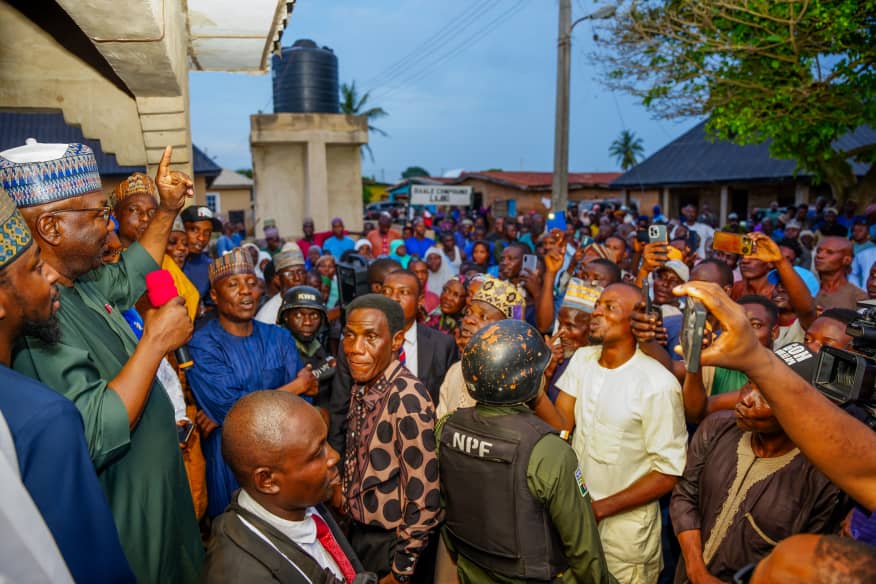
The Kwara situation demonstrates why this distinction matters. In April, a report quoted the chairman of Ilorin East Local Government Area as saying that council chairmen across the state would support whoever AbdulRazaq endorsed for the governorship, a position that illustrates the political weight an incumbent possesses before voters even make their choice.
Apart from that, local political structures are prepared to follow the governor’s choice or compelled to support the preferred successor. Where then is the room for an independent assessment of the aspirants? The question is not whether the Governors have the right to support their preferred successors, but whether the electorate will have enough space to assess all candidates on their merits.
This is not an argument against Danladi-Salihu, Senator Yayi or Senator Wadada. They are all eligible to occupy the number one seat in their respective states judging by their track records.
However, the electorate should confirm if they possess the independence required to govern for the people rather than for the political interests of their predecessors.
Nigeria’s political history offers several warnings about the dangers of succession politics. The relationship between former Rivers State governor Nyesom Wike and his successor, Siminalayi Fubara, deteriorated into a prolonged political crisis involving the State House of Assembly, party structures and control of the machinery of government.
The crisis became so serious that the Federal Government intervened in an attempt to broker peace. Whatever the political interpretations of that episode, it demonstrated the danger of allowing a succession relationship to become a struggle over who should retain control after an election has been won.
Similar tensions emerged in Osun State between former governor Rauf Aregbesola and his successor, Gboyega Oyetola, who emerged from the same political camp, but their relationship later became strained amid a wider political dispute within the party.
Kaduna State presents another example. Former governor Nasir El-Rufai and his successor, Uba Sani, have been involved in a public dispute over the financial situation inherited by the latter administration. The disagreement illustrates how quickly political continuity can give way to accusations and counter-accusations once a new governor assumes office.
The Kogi experience presents an even more troubling dimension. During the period when the Economic and Financial Crimes Commission, EFCC, was pursuing former governor Yahaya Bello over alleged financial offences, his successor, Usman Ododo, was reported to have helped him evade arrest, raising questions about whether political loyalty can sometimes override institutional accountability.
These cases are different and should not be treated as evidence that every governor chooses a successor for personal protection. They do, however, demonstrate that political sponsorship does not guarantee a harmonious succession and that the interests of a former governor can sometimes come into conflict with those of his successor.
The country must therefore ask whether political succession is about developmental continuity or the preservation of political influence. If an administration has performed well, its policies should survive because they benefit the people, not because the next governor is politically indebted to his predecessor.
There is also a more uncomfortable question that political succession raises: WHO FINANCES THESE PROJECTS? Political campaigns require enormous resources. Posters, rallies, mobilisation, media appearances, transportation, party activities and grassroots structures all require money.
When an incumbent governor supports a preferred successor, Nigerians deserve transparency about the resources behind the campaign. Who is funding it? What are the sources of the funds? How much is being spent, and are campaign expenses being properly declared?
These questions are not accusations against any individual. Government resources belong to the people, and public vehicles, personnel, communication platforms and funds must never become campaign instruments for an incumbent’s preferred candidate.
More importantly, voters must refuse to surrender their judgment to political endorsements. A governor’s endorsement may tell voters something about a candidate, but it cannot replace the electorate’s responsibility to determine who is competent, credible and capable of governing in the public interest.
Electorate must therefore avoid reducing the 2027 election to a contest over who has the governor’s blessing. Candidates should demonstrate capacity through their record, ideas, character and capacity to serve; if another candidate is better qualified, the people should be free to choose that candidate.
The same principle should apply across Nigeria. Governors should be judged by the institutions, infrastructure, human development and good governance they leave behind, not by whether they succeed in installing a political heir.
An outgoing governor may endorse, a political party may nominate and a political structure may mobilise, but none should replace the independent judgment of the electorate. Whoever occupies the Government House in 2027 must receive his mandate from the people not merely from the governor who came before him.
The Government House is not a family inheritance, a party estate or a retirement plan for outgoing politicians. It is a public trust, and whoever occupies it in 2027 must receive his mandate from the people not merely from the governor who came before him.