





FACTSHEET: NIGERIA’S 2014 EBOLA OUTBREAK
By Molayo Anjorin
Historical focus: July–October 2014
Current development: New Ebola case confirmed in Abuja, October 2026
Overview
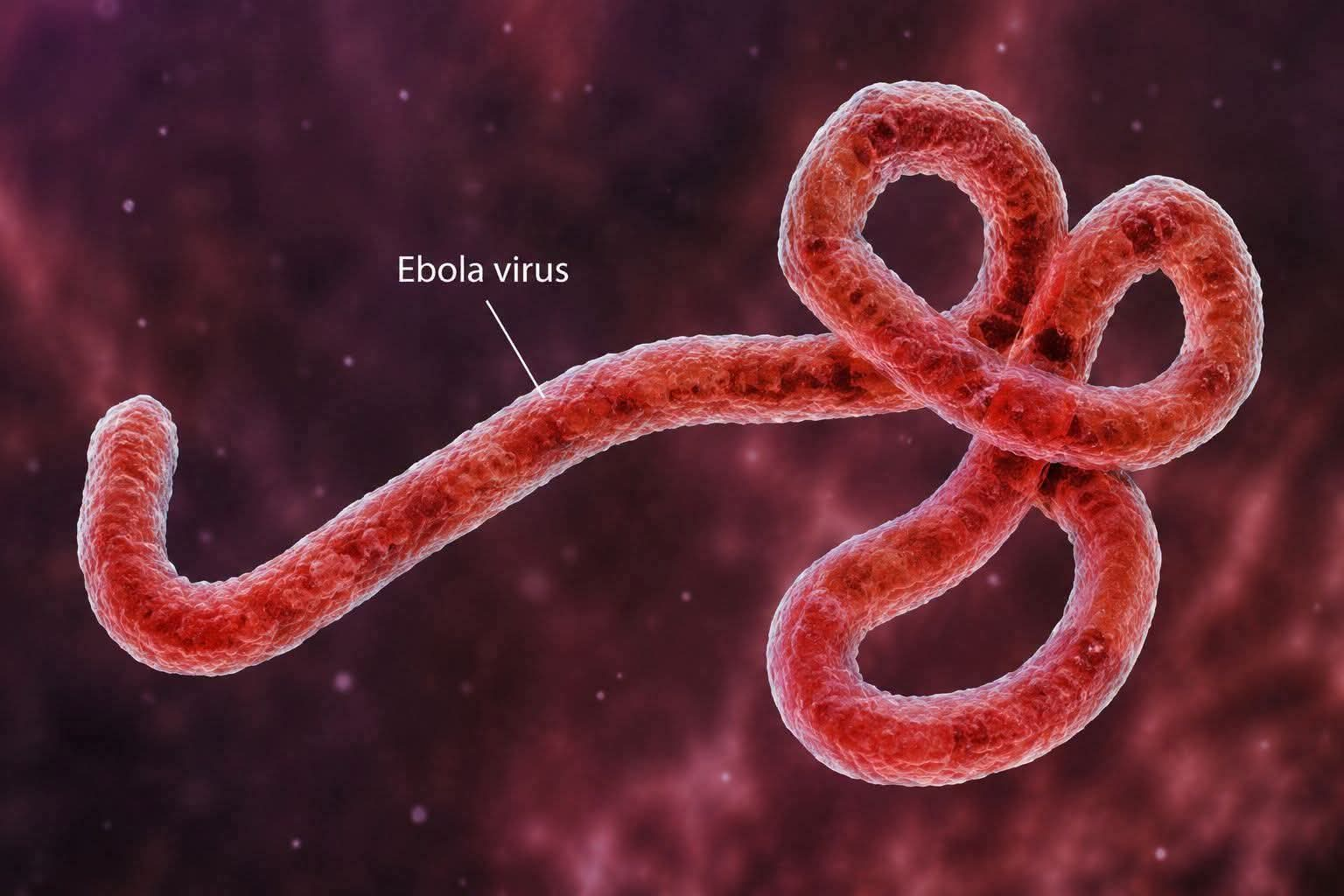
In 2014, Nigeria successfully contained an outbreak of Ebola virus disease that started when an infected traveller imported the virus into Lagos, during the overall West African Ebola outbreak.
The first case was a Liberian-American diplomat, Patrick Sawyer, who arrived in Lagos on 20 July 2014 while infected and symptomatic. He was admitted to a private hospital, where his condition initially posed a diagnostic challenge.
Sawyer tested positive for Ebola and died on 25 July 2014.
His infection triggered a rapid emergency response by the Federal Ministry of Health, Lagos State Government, the Nigeria Centre for Disease Control and Prevention (NCDC) and international public health partners.
Through contact tracing, patient isolation, laboratory testing and surveillance, the authorities prevented the outbreak from spreading widely.
Nigeria recorded 20 cases, comprising 19 laboratory-confirmed cases and one probable case, with eight deaths.
The World Health Organization (WHO) declared Nigeria free of Ebola transmission on 20 October 2014, after the country met the required criteria for ending the outbreak.
Timeline of Key Events
• July 20, 2014: Patrick Sawyer arrived in Lagos from Liberia while ill with Ebola.
• July 25, 2014: Sawyer died after testing positive for the virus.
• July–August 2014: Health authorities activated emergency response measures, identified exposed individuals and monitored contacts.
• August 2014: The outbreak extended to Port Harcourt, Rivers State, following the infection of a contact who travelled there.
• August 31, 2014: The last recorded illness onset occurred.
• October 20, 2014: WHO declared Nigeria free of Ebola transmission.
Key Facts and Figures
• Year – 2014
• First identified case – Patrick Sawyer
• Date of arrival in Nigeria – July 20, 2014
• Affected locations – Lagos and Port Harcourt
• Total cases – 20
• Laboratory-confirmed cases – 19
• Probable cases – 1
• Total deaths – 8
• Contacts identified – 894
• Date declared Ebola-free – October 20, 2014
How Nigeria Contained the Outbreak
Nigeria’s response relied on coordinated public health measures that interrupted transmission.
Contact tracing: Health officials identified and monitored 894 contacts to detect symptoms and identify potential infections early.
Isolation and treatment: Suspected cases were isolated for assessment, while confirmed patients received care to reduce further exposure.
Surveillance and laboratory testing: Health authorities investigated suspected infections and used laboratory tests to confirm cases.
Emergency coordination: Government agencies, healthcare workers and international partners coordinated investigations, public communication and outbreak-control measures.
Nigeria’s experience demonstrated that rapid identification, effective contact tracing and coordinated intervention can contain an imported infection before it develops into a larger outbreak.