





Gbenga Hashim: Can He Power PDP Revival in 2027?
A quiet political storm may be brewing in the North Central, and the epicenter appears to be the People’s Democratic Party (PDP).
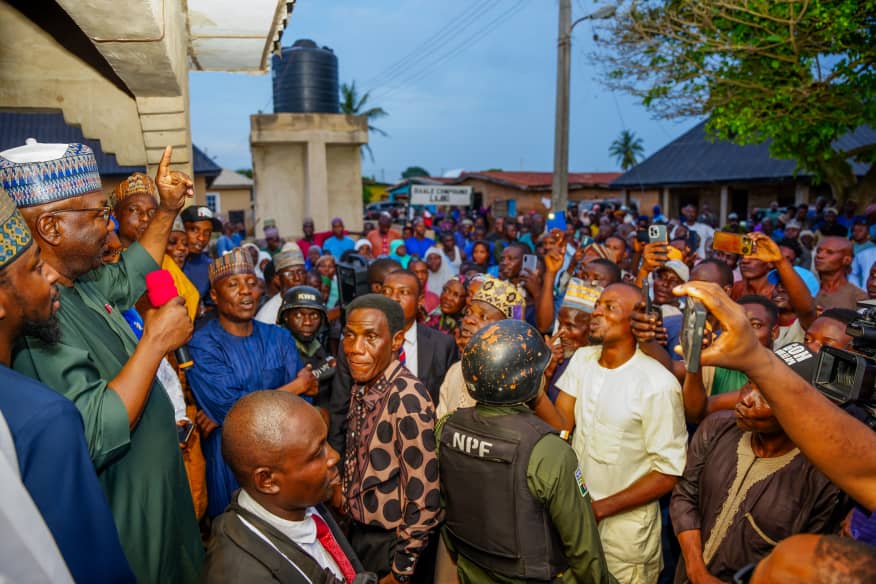
At the recent PDP North Central Zonal Congress held in Plateau State, all eyes were supposed to be on party stalwarts and zonal delegates. But what stole the spotlight was the unexpected, overwhelming presence of Gbenga Olawepo-Hashim’s political footprint, despite his physical absence and no official declaration of membership.
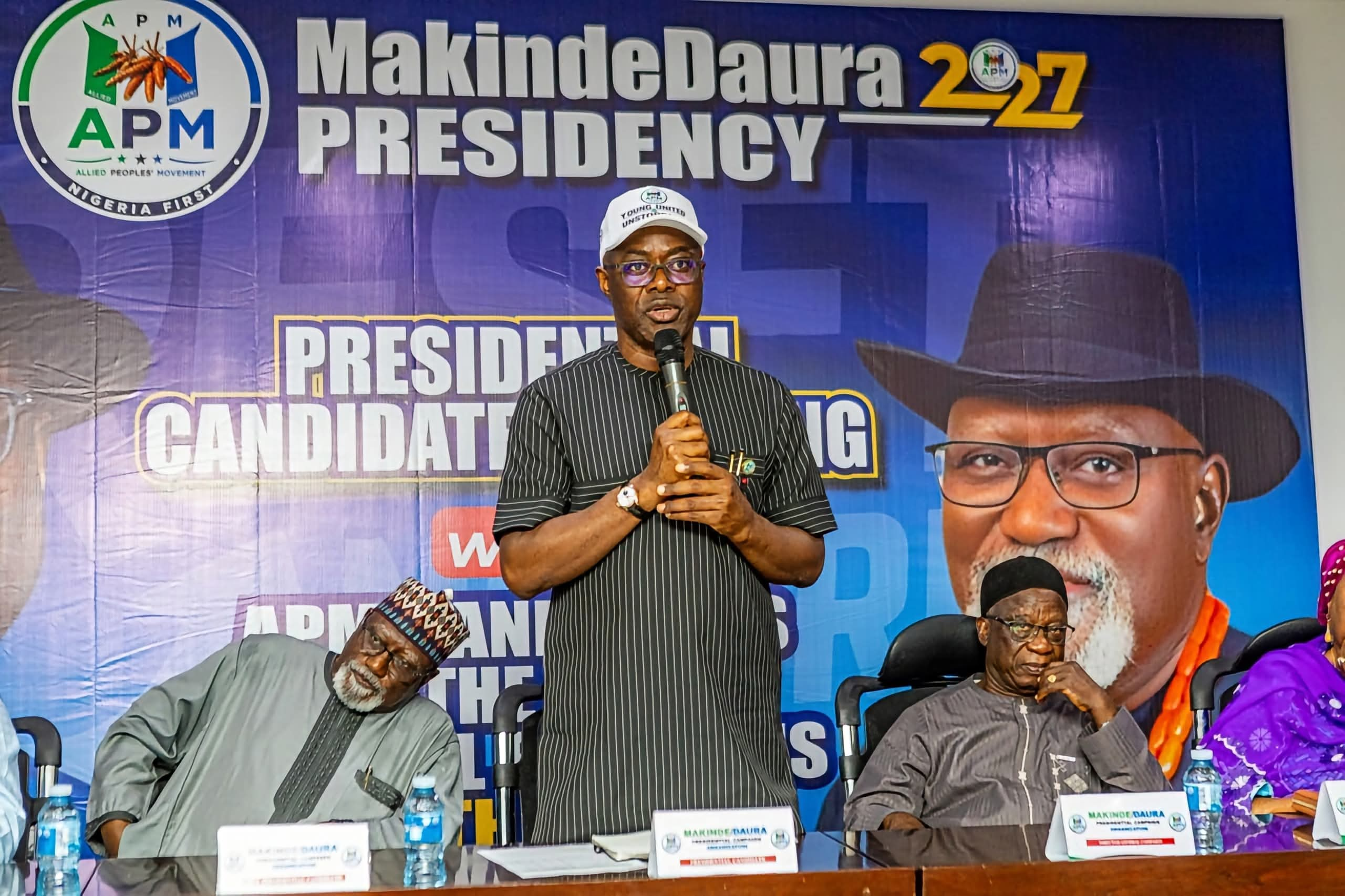
Billboards bearing Hashim’s image, campaign materials, and organized supporters were impossible to ignore, signaling more than just idle political flirtation.
For a man previously not publicly known to be a PDP member, the scale of his presence was both symbolic and strategic, sparking speculation of an imminent defection or perhaps an already quiet entrance into the party.
Gbenga Hashim is no political stranger. A former presidential candidate with deep roots in both civil activism and the energy sector, he has long maintained a unique profile as a bipartisan reformist, holding meetings and dialogues that attract figures from both the APC and PDP. His politics, unlike many in the Nigerian mainstream, emphasizes competence, national unity, and policy substance, rather than ethnic allegiance or party tribalism.
This development comes at a critical time for Nigeria’s political future.
The ruling All Progressives Congress (APC) has reportedly adopted President Bola Ahmed Tinubu as its sole candidate for 2027, effectively shutting the door to internal democratic competition. That decision, while consolidating power within APC’s dominant bloc, has also created quiet waves of discontent among ambitious reformists and sidelined party thinkers, many of whom, like Hashim, are now searching for a political platform with space for ideological expression.
For the PDP, which has suffered repeated national losses since 2015 and continues to grapple with internal rivalries, the silent but strategic entry of a technocratic figure like Gbenga Hashim could represent a turning point. Unlike typical political defectors, Hashim offers more than numerical advantage, he offers a narrative shift.
If PDP were to embrace this moment, fusing its vast grassroots machinery with Hashim’s reformist messaging and bipartisan capital, the party could rebrand itself not just as an opposition platform, but a true alternative government in waiting.
Yet, caution must temper the optimism. PDP has a history of undermining its own reformist elements. New entrants are often swallowed by internal godfatherism, zonal rivalry, and the obsession with political “turns.” If the party hopes to leverage this moment, it must create space for fresh voices, allow for competitive internal primaries, and build consensus around a reform agenda, not just a personality.
Furthermore, Hashim himself must clarify his political direction. Silence may be strategic, but clarity galvanizes support. If he is indeed headed to PDP or has already joined, an open declaration could spark early momentum and force the party to make room for a new political conversation before the internal power blocs harden ahead of 2027.
The quiet emergence of Gbenga Hashim within PDP’s orbit may prove to be more consequential than it appears. At a time when many Nigerians are fatigued by recycled politicians and broken promises, Hashim’s clean image, visionary outlook, and bridge building politics could offer PDP the lifeline it desperately needs.
But time is of the essence. If PDP fails to seize this opportunity, if it treats Gbenga Hashim as just another face in a crowd, then it risks losing not only the man but the message and momentum he represents.
In a country hungry for leadership that unites competence with credibility, Hashim might be the best card PDP has left to play.