






Kwara Must Change Names 5-Man Political Committee for 2027 Elections
In a strategic move to bolster its preparation for the 2027 elections, the leading Pro-Democracy group, Kwara Must Change has constituted a five-member political committee to lead its efforts in shaping the political landscape of Kwara State.
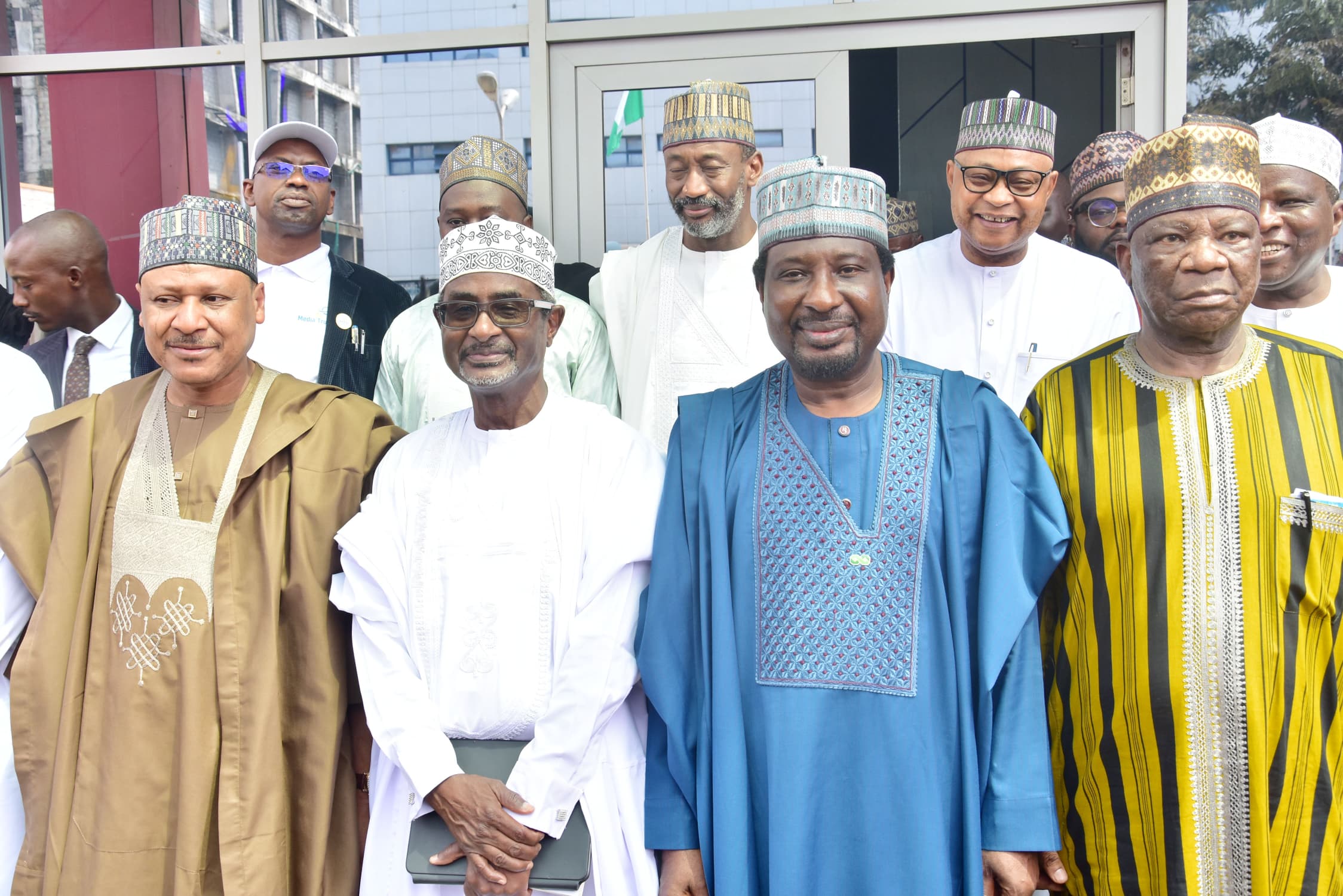
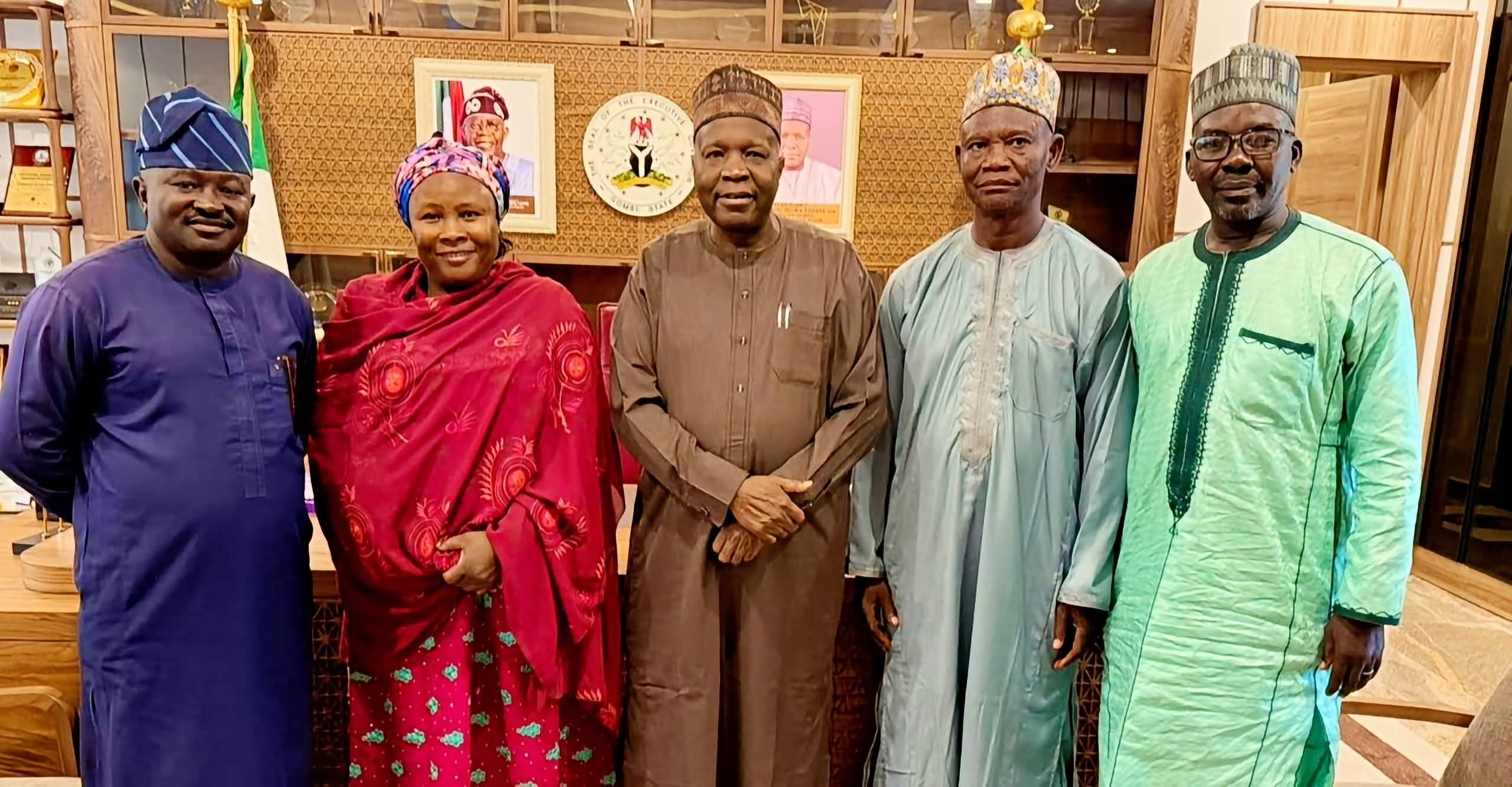
The committee, chaired by Hon. Ibrahim Akaje, a former Commissioner and Federal House of Representatives aspirant, includes notable political and administrative figures such as Hon. Tunde Fadipe, a former local government chairman; Hon. Abdulkareem Danhawa, a former Special Adviser to Kwara State Governor on Political Affairs; Mallam Abubakar Yusuf, a distinguished administrator; and Mallam Sadeeq Kadara, a politician and business consultant.
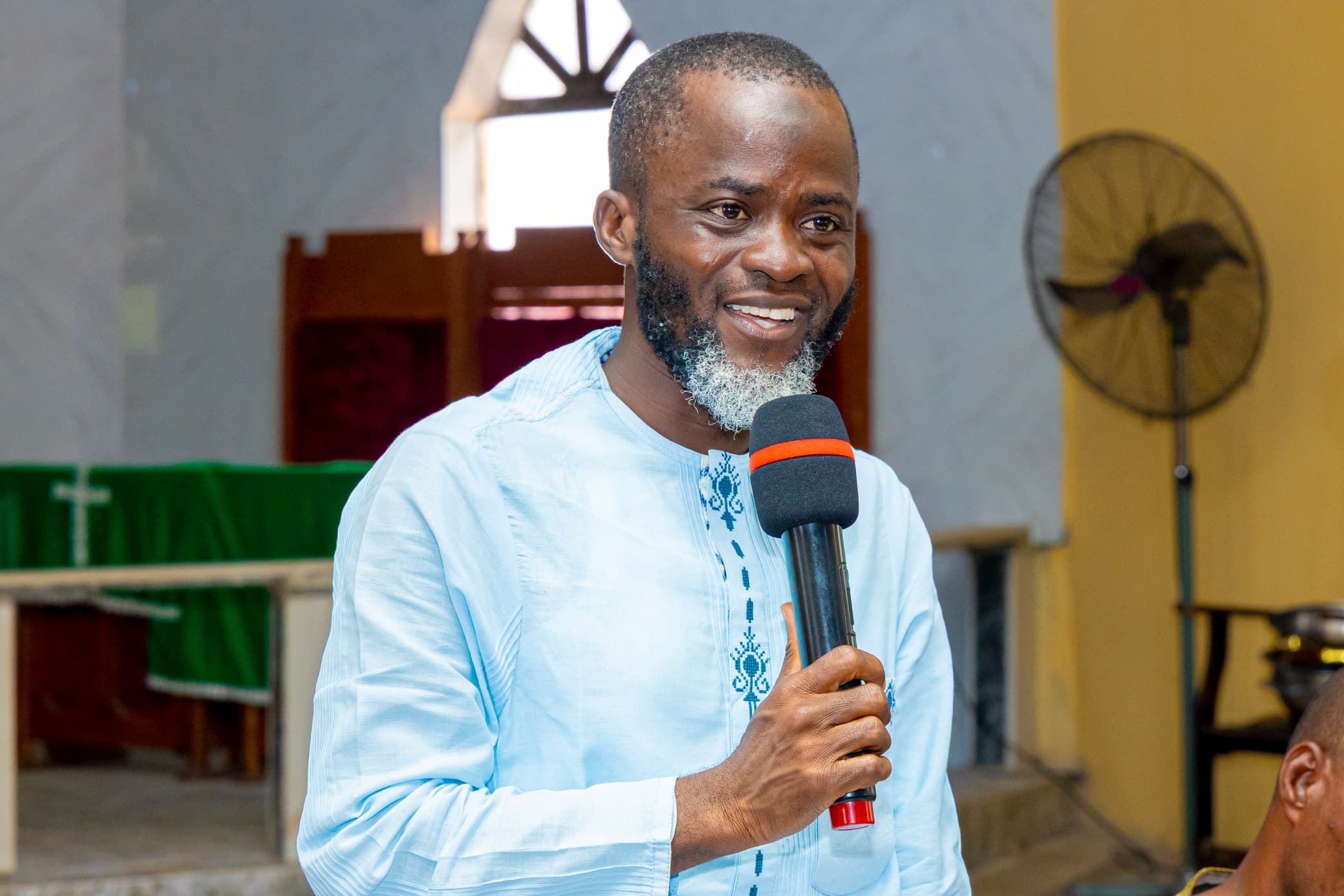
Speaking during the announcement, the Convener of Kwara Must Change, Abdulrazaq Hamzat, highlighted the organization’s commitment to advancing grassroots democracy and ensuring the active participation of citizens in governance. He stated that the committee’s role would be pivotal in developing a comprehensive political strategy, mobilizing stakeholders, and coordinating voter education efforts.
“The 2027 elections are critical for consolidating our democratic gains, and this committee brings the expertise and leadership required to navigate the challenges and opportunities ahead,” Hamzat said.
The committee’s responsibilities include conducting political research, engaging with community stakeholders, and liaising with electoral bodies and civil society organizations to ensure fairness and transparency in the electoral process.
Hamzat emphasized that Kwara Must Change remains focused on its mission to promote economic justice, grassroots development, and accountability in governance.
Kwara Must Change is renowned for its role in shaping public discourse and driving initiatives that empower citizens across the state.
As the 2027 elections approach, the committee is expected to play a crucial role in ensuring that democratic values of transparency, equity, and good governance are upheld.
The initiative has been widely applauded by stakeholders who view it as a testament to Kwara Must Change’s unwavering dedication to fostering participatory democracy in the state.