






Patronise Local Car Assemblers, FG Orders MDAs
By Molayo Anjorin
The Federal Government has directed all ministries, departments and agencies (MDAs) to buy vehicles from local automobile assemblers to reduce reliance on imported cars and strengthen the economy.
The Director-General of the National Automotive Design and Development Council (NADDC), Joseph Osanipin, announced the directive on Friday at a joint press conference with the Bureau of Public Procurement (BPP) in Abuja.
Osanipin said the vehicle assembly plants in Nigeria have an annual production capacity of 370,520 vehicles, adding that enhanced patronage by government would create jobs, reduce imports and drive domestic production of automobiles.
“We are fundamentally shifting the Nigeria First Policy. All vehicles procured by ministries, departments and agencies, including project utility vehicles, must be sourced exclusively from licensed local assemblers or their authorised retailers,” he said.
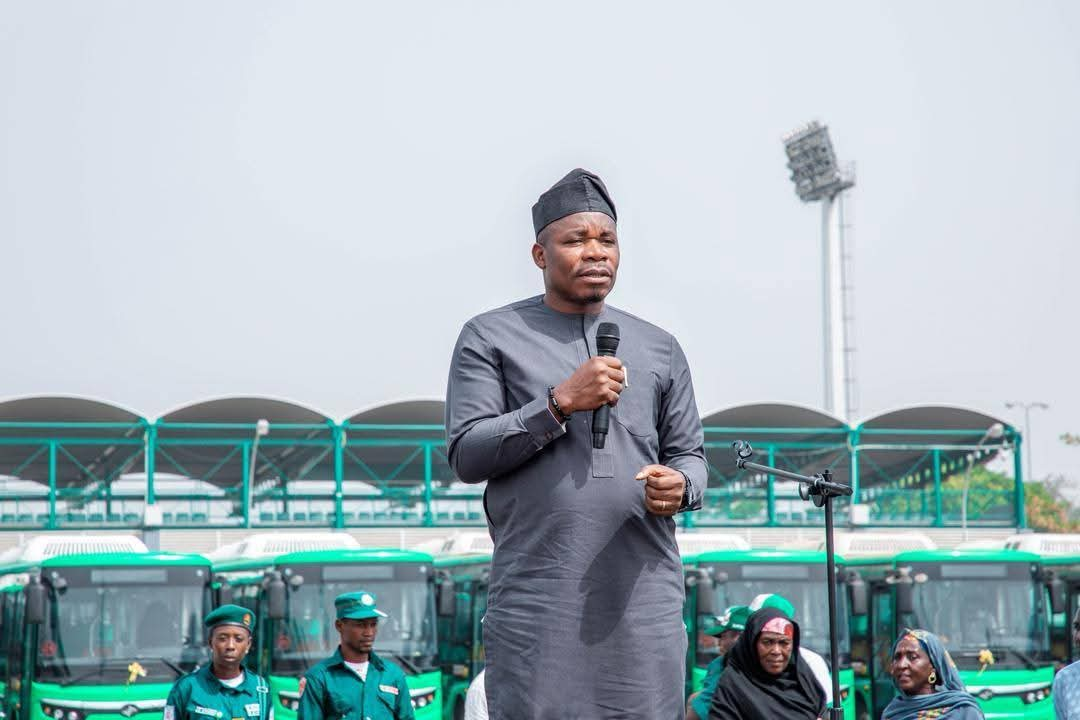
The Bureau of Public Procurement Director-General, Adebowale Adedokun, also urged government agencies to refrain from buying vehicles from unregistered suppliers.
“BPP will not give a no objection to any government agency that wants to buy a vehicle from any supplier, manufacturer or importer that has not passed through the specification and requirement of NADDC,” he said.
He warned that the agencies would be prosecuted for non-compliance, saying that the guidelines were aimed at boosting local manufacturing capability, creatingemployment and helping transform the country’s automotive industry.
According to the directive, all government agencies were ordered to purchase motor vehicles from licensed local assemblers or their approved dealers. In the event that a government agency wanted to acquire a vehicle not available in local assemblies, proof of unavailability would be required, together with the President’s approval.
The council officials also said the directive would ensure that a percentage of money being spent by the government on motor vehicles would be retained in the local economy, adding that it would help create more demand for cars assembled in Nigeria, thus boosting production.