










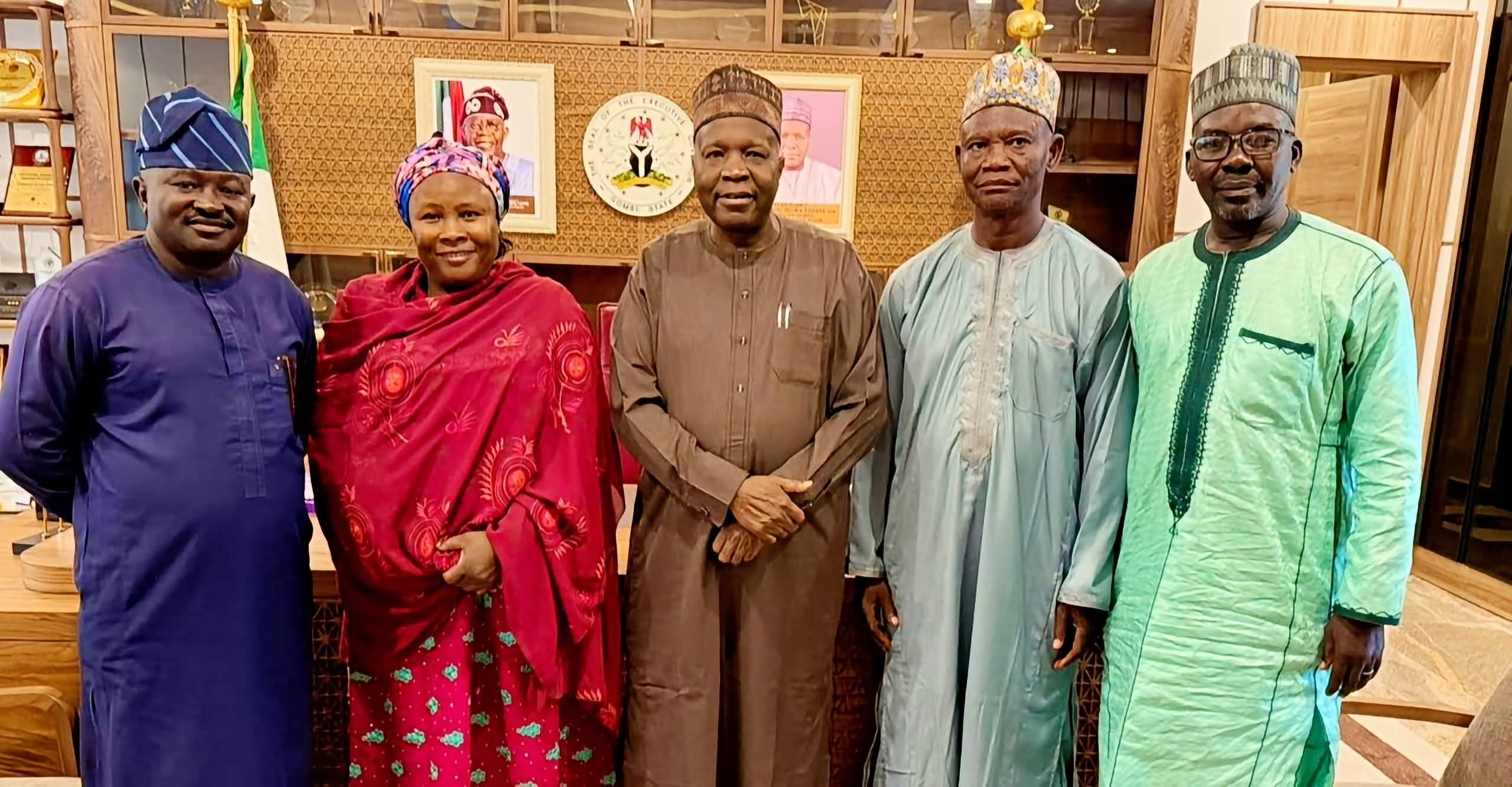

The Sovereign Soil: UK based Legal Practitioner Penned Insightful Review
United Kingdom based Legal Practitioner, Madam Victoria Oluwatoyin Opaleke joined Top dignitaries to review THE SOVEREIGN SOIL written by A.Y. Mumeen, PhD to Unlock the Wealth and Future of Nigeria’s Agriculture through the Sovereign Agrarian.
Opaleke carefully provides insight into the 8-Chapter book designed to correct misinformation about agriculture sector in Nigeria and propel policies change to harness full potential of the value chain.
Lawyer Victoria Opaleke holds Bachelor of Arts in English and LLB in Law. She is a dual qualified legal practitioner, with decades of experience in the UK corporate world, currently practising as a company lawyer in the Physical Security and Technology Security industry.
She x-rayed the eight chapters with effective use of literary devices to pass important messages in a interesting manner.
Opaleke advised Nigerian Youths to embrace agricultural entrepreneur rather than chasing white-collar jobs.
Her words: “Beyond its technical insights, this book touched me on a personal level. It widened my horizon and made me reflect on my own journey. If I had encountered this knowledge earlier in life,I would have advised my younger self to dream of becoming an agricultural entrepreneur rather than chasing white-collar jobs. “The book awakened in me a renewed sense of responsibility — to help shift the mindsets of the youths around me and to advocate for a more focused, intentional approach to agriculture in Nigeria.”
Introduction
I felt genuinely privileged to review this book. What I initially assumed would be a highly technical and scientific subject — far outside my comfort zone — turned out to be one of the most engaging and enlightening reads I have encountered in recent years. From the very first chapter, I found myself drawn in by the simplicity of the language, the clarity of the arguments, and the author’s deep passion for repositioning agriculture as Nigeria’s next frontier of wealth.

The Chapters
The book dismantles long held myths that have shaped our national mindset for decades. The “White Collar Myth” in Chapter One was particularly striking. It exposes the painful reality that many Nigerian graduates face today — the belief that a degree guarantees employment, even as unemployment continues to rise. Reading this section was soul stirring because it forces us to confront the consequences of our collective inaction. Yet, the author does not leave us in despair; he offers practical pathways out of intellectual poverty and into financial empowerment.
Chapter Two continues this myth breaking journey by challenging the assumption that only regions with heavy rainfall can be agriculturally productive. I was fascinated to learn about the richness of Nigeria’s savannah soils and the diverse crops that thrive across different regions. It is heartbreaking to realise how much sovereign wealth lies dormant in our land simply because we have failed to understand and utilise it.
Chapter Three on the “Hidden Middle” was a revelation. Dr Mumeen brilliantly explains how Nigeria has been missing out on the value addition chain — the true engine of agricultural wealth. I was particularly inspired by the message that young people do not need large scale industrial capacity to participate. With small scale processing, digital tools, and coordinated markets, they can build profitable enterprises that strengthen the entire food ecosystem.
Perhaps the most transformative part of the book is the exploration of agriculture as a technology driven sector. The case studies on precision agriculture, digital platforms, soil testing kits, and handheld processing tools show that the future of farming is not manual labour — it is data, timing, and innovation. The author makes a compelling case that it is no longer about owning land, but about owning systems that generate results. This is the kind of thinking that can truly shift the aspirations of Nigerian youths.
The Chapters on social media, fintech, and export compliance further broaden the reader’s understanding of agriculture as a modern, globally competitive industry. As a corporate legal practitioner, I found the insights on documentation, standards, and regulatory frameworks particularly valuable. They highlight the urgent need for legislative action, time sensitive funding for research institutes, and policies that genuinely empower young people to participate in the sector.
Areas of Improvement
While the book is rich and inspiring, I believe it would have benefited from a deeper exploration of women’s roles in agriculture. Women form a significant part of Nigeria’s informal agricultural workforce, especially in the Northern region, yet they face unique barriers in land ownership, financing, and training. A gender inclusive perspective would strengthen the book’s already powerful message.
My Professional Reflection
As a corporate business legal practitioner, I found myself reflecting on the legislative and regulatory implications of the book’s insights. There is a need for legislative and policy alignments. Many young Nigerians are unaware of the laws that could help them succeed in agriculture. The laws should provide targeted user-friendly guidelines that help youths to navigate the legal minefield in order to benefit practically, commercially, and operationally—whether for land access, agricultural financing, or export compliance. Agricultural policy must align with, land use laws, environmental regulations, export and customs frameworks and research funding structures, whilst the government must incentivise private sector participation, create youth friendly agricultural policies, ensure time sensitive budget releases and strengthen compliance systems for export markets.
Personal Thoughts
Beyond its technical insights, this book touched me on a personal level. It widened my horizon and made me reflect on my own journey. If I had encountered this knowledge earlier in life,I would have advised my younger self to dream of becoming an agricultural entrepreneur rather than chasing white-collar jobs. The book awakened in me a renewed sense of responsibility — to help shift the mindsets of the youths around me and to advocate for a more focused, intentional approach to agriculture in Nigeria.
This book is more than a guide; it is a roadmap for national transformation. It shows how agriculture can move from being seen as the work of “underdogs”, the ordinary farmer, to becoming a prestigious, profitable, technologically advanced sector capable of securing Nigeria’s economic future. It is my hope that policymakers, educators, parents, and young people will embrace the opportunities outlined here.
Nigeria is blessed with land, talent, and potential. What we need now is the will to act.